Not medical advice. Talk to your provider before using any peptide.
Full disclaimerHealing & Recovery Protocols
Peptide Schedule Research Team
Tissue repair protocols using BPC-157, TB-500, and healing stacks for injury recovery.
BPC-157
Conservative 6-week healing protocol using beginner-tier dosing. Inject near injury site for local repair or abdomen for systemic/gut effects.
TB-500
Standard loading + maintenance cycle: 4 weeks at full dose (2x/week), then 4 weeks maintenance at half dose (1x/week). Systemic — injection site does not matter.
BPC-157 + TB-500
Gold-standard healing combination. BPC-157 for local tissue repair + TB-500 for systemic healing. 6-week protocol with TB-500 loading then maintenance.
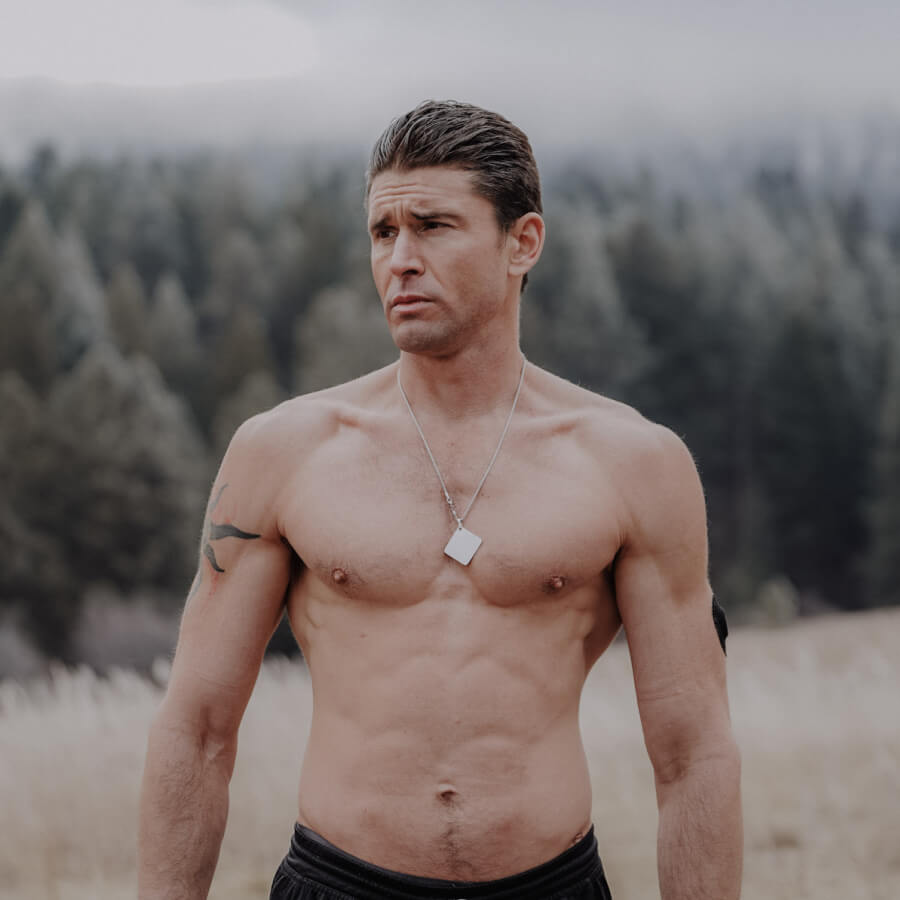
BPC-157 + TB-500 + Ipamorelin +2
Five peptides, three sub-stacks, and a torn hamstring that started it all. Ben Greenfield published full dosing for BPC-157, TB-500, ipamorelin, tesamorelin, and GHK-Cu after using the combo to recover from a persistent upper leg injury. The healing duo (BPC-157 + TB-500) can be run alone; the GH pair (ipamorelin + tesamorelin) adds recovery optimization at bedtime. Budget $400-800/month and plan for 4-12 weeks on, equal time off.
TB-500 + Thymalin + LL-37
Three peptides, three different cycle lengths, one goal: stop getting sick. Greenfield pairs TB-500 (3 months on, 3 off) with Thymalin (3-10 day bursts every 6-12 months) and LL-37 (4-6 week antimicrobial cycles). Each targets a different layer of immune defense. Warning on LL-37: Herxheimer reactions are common in the first two weeks if you have SIBO or gut dysbiosis.
BPC-157 + Ipamorelin + Tesamorelin
One syringe, three peptides, taken at bedtime. Dr. Koniver confirmed on Huberman Lab Ep 197 that he combines BPC-157 (500mcg), ipamorelin (100mcg), and tesamorelin (2mg) in a single subcutaneous injection. Schedule is 5 days on, 2 off. No food for 45 minutes before. The single-syringe detail settled a long-running debate about whether these peptides could be mixed safely.
BPC-157
The only peer-reviewed human BPC-157 clinical trial, published in Alternative Therapies (2021). Dr. Edwin Lee injected 4mg BPC-157 directly into knee joints. Seven out of 12 patients reported pain relief lasting 6+ months from a single injection. The route is intra-articular, not subcutaneous. This is a physician-administered procedure, not a self-injection protocol.
BPC-157
Huberman used BPC-157 for an L5 disc compression from deadlifting and reported resolution in "approximately 2 injections" after massage, heat, and electrical stimulation had all failed. Dose is a discussed range (300-500mcg, 2-3 times per week), not his exact personal dose. Sourced from Huberman Lab Ep 170. Cycle 8 weeks on, 8-10 weeks off.
GHK-Cu + BPC-157 + TB-500
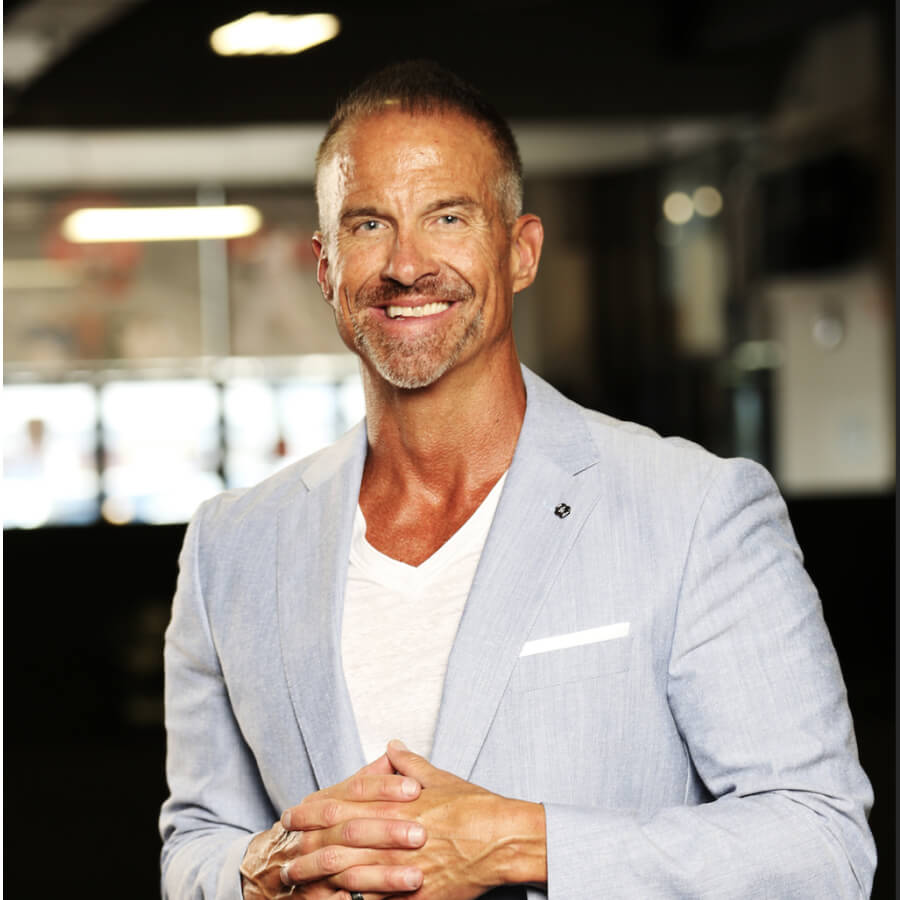
Three peptides blended in a 5:1:1 ratio: GHK-Cu (50mg), BPC-157 (10mg), and TB-500 (10mg) in a single 70mg vial. Jay Campbell published the GLOW protocol for tissue repair, gut healing, and skin rejuvenation. Available as a pre-blended vial or mixed individually. Daily injection, with at least 15 days off between cycles. The source gives receptor desensitization as the reason for the break; no desensitization data exists for these three compounds. Beginner-friendly entry point.
Sermorelin
Two years on sermorelin for deep sleep, then he stopped. Huberman tracked everything with Eight Sleep and WHOOP; the data showed REM sleep depletion and elevated PSA (prostate-specific antigen). He disclosed this on Ep 170 as cautionary data. Dose is a discussed range, not his exact personal dose. This protocol is discontinued, but the discontinuation data is what makes it worth studying.
Cerebrolysin
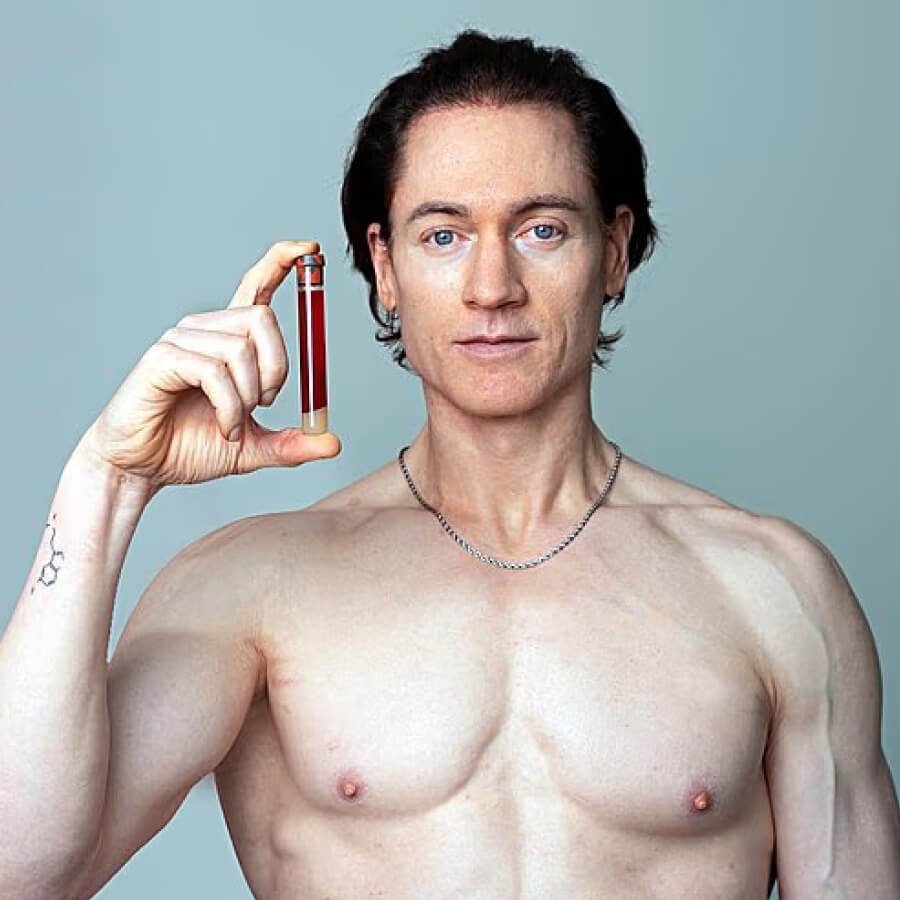
Bryan Johnson called cerebrolysin "the best subjective neuro-enhancer" he's tried, then added that it produced no measurable biomarker improvement. Phase 1: 5mL IM every other day (10 injections over 20 days). Phase 2: 5mL IM daily for 3 months. Porcine-derived, so not suitable for pork allergies. The gap between subjective experience and objective data is the interesting part here.
Ipamorelin + Tesamorelin + BPC-157 +2
Five peptides from the co-author of Jay Campbell's Peptide Cheat Sheet. Hunter Williams disclosed his personal protocol: Ipamorelin 300mcg, Tesamorelin 1mg, BPC-157 500mcg, TB-500 500mcg, and TA-1, all cycled 8 weeks on and 8 weeks off. The dosing lines up with the cheat sheet he co-wrote, which adds credibility. He also runs Tirzepatide 0.5mg three times per week but that sits outside the core stack. Budget $300-600/month.
GHRP-6 + CJC-1295 (No DAC) + Ipamorelin +3
Six peptides across 5 timed injections per day for 12 weeks. Three GH secretagogues (GHRP-6 morning, ipamorelin pre-workout, GHRP-2 evening) plus CJC-1295 twice daily, AOD-9604 fasted, and TB-500 twice weekly. Aggressive stacking from a supplement company founder.
Thymosin Alpha 1 + BPC-157 + Epithalon
Three peptides for immune modulation, gut healing, and telomere maintenance. TA-1 at clinical dose (1.6mg 2x/week), oral BPC-157 for gut health, and Epithalon in 10-day pulses. Note: Holtorf co-founded a company that sells oral BPC-157.
Healing peptide protocols target tissue repair through different mechanisms. BPC-157 promotes angiogenesis and works locally at the injury site. TB-500 acts systemically via actin upregulation and cell migration. Combining both creates the "healing stack" — the most popular peptide combination for recovery.
BPC-157 protocols typically run 4-6 weeks with twice-daily subcutaneous injections near the injury. TB-500 uses a loading phase at higher dose (2x/week for 4 weeks) followed by a maintenance phase at half dose (1x/week). The healing stack runs both concurrently.
Neither BPC-157 nor TB-500 has completed human clinical trials — dosing is based on animal studies and community experience. Both are classified as research peptides. Evidence is labeled accordingly on each protocol.
Pick a peptide, set doses, export the calendar.
Start a Healing & Recovery protocol